★★★★★ 5.0 rating from 108 happy customers in Milpitas.
Window Tint Film

Carbon or ceramic?
We'll help you choose.

Not every window tint film is the same. Carbon and ceramic films differ in heat rejection, glare control, and clarity, and the right pick depends on your vehicle and how you drive. Here's how the two compare, so you can choose with confidence.

CarbonEveryday value
CeramicMax heat rejection
FreeQuotes
FastTurnarounds
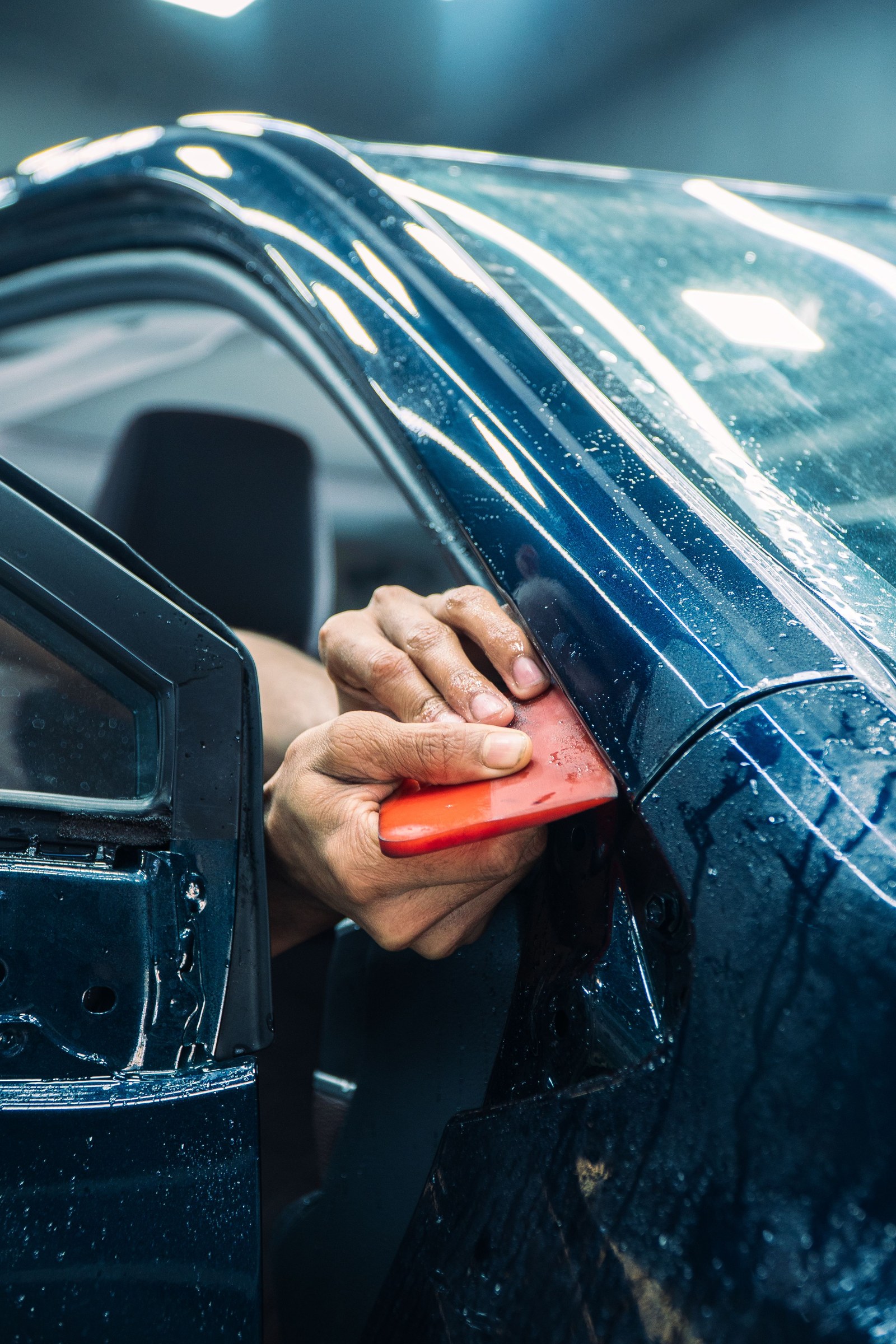
Window tint film being installed on a vehicle's rear window
Why it matters

Not all window tint film performs the same

Heat rejection, UV protection, glare, and clarity all vary by film type. Understanding the difference helps you pick the right film for your car.

Heat rejection

Both carbon and ceramic films cut down cabin heat, but ceramic film generally rejects more heat, keeping the interior noticeably cooler on hot days.

UV protection

Both film types block a large share of the sun's UV rays, helping protect your skin and your car's interior from fading and sun damage.

Glare reduction

Tint film cuts down bright sun and headlight glare, making it easier and more comfortable to see the road, especially during long drives.

Privacy & look

A clean, non-reflective finish adds privacy and a sharper look to your car, without the metallic sheen or signal interference of older films.

Compare films

Carbon film vs. ceramic film

We install XPEL Window Films, from the Prime CS Color Stable line to Prime XR and XR PLUS nano-ceramic. Here's a general look at how the two film families compare. We'll help you weigh the trade-offs for your vehicle, free of charge.

XPEL Prime CS
Color Stable carbon film
Free quote
  • Non-metallic, won't interfere with signals
  • Good heat and glare reduction for daily driving
  • Blocks a significant amount of UV rays
  • Resists fading, holds its color well
  • A strong value option for most drivers
Get a free quote

Every vehicle is different, so we'll talk through your goals and quote your exact car. No pricing is published because we tailor each quote individually.

FAQ

Carbon vs. ceramic, answered

What's the difference between carbon and ceramic tint?
Carbon film uses a carbon-infused layer that blocks heat and UV without the metallic tint that can interfere with signals. Ceramic film uses non-conductive ceramic particles that generally reject more heat and offer clearer optical quality, especially on hot days or long drives.
Which film should I choose?
Carbon film is a solid, budget-friendly choice for everyday heat and glare control. Ceramic film costs more but generally rejects more heat and holds a clearer, richer look over time. We can walk you through both options for your vehicle and driving habits.
Does window tint block UV rays?
Yes. Both carbon and ceramic films block a significant amount of UV rays, helping protect your skin and your car's interior from sun damage and fading.
Will either film fade or turn purple over time?
Older dyed films were prone to fading and discoloration. Carbon and ceramic films are built to resist fading and hold their color much longer.
Does ceramic tint interfere with phone or GPS signal?
No. Ceramic and carbon films are both non-metallic, so they will not interfere with phone, radio, or GPS signals.
Free quote

Get your free quote

Tell us about your vehicle and what matters most to you, heat, glare, or clarity, and we'll help you pick the right film and get you scheduled.

Call now Free quote